


How AI is Transforming Custom Software Development
One of the most significant technological shifts in business strategy in decades is the convergence of artificial intelligence and custom software development. AI-enhanced custom software development offers unprecedented opportunities to create intelligent systems that adapt, learn, and optimize performance in real time while delivering sustainable competitive advantages for executive leadership teams navigating operational complexity and competitive pressures.
Businesses’ approaches to software investments, development methodologies, and business process automation are fundamentally altered by this transformation, which goes beyond merely technological advancement. The integration of Al capabilities into custom software development enables businesses to build solutions that continuously improve through machine learning algorithms, predictive analytics, and automated decision-making capabilities that were previously impossible to achieve through traditional development approaches.
Al as the Engine for the Evolution of Intelligent Software
Systems that learn from user behavior, operational data, and business performance metrics have replaced the traditional model of static software functionality. Custom software is transformed by Al integration into proactive business assets that can anticipate needs, optimize workflows, and provide strategic insights that drive informed decision-making across organizational levels. These assets can also be proactive tools that are used to solve problems.
Pattern recognition capabilities are made possible by machine learning algorithms embedded in custom software. These capabilities can predict maintenance requirements, identify operational inefficiencies, and suggest process optimizations that human analysts might overlook. As systems accumulate data and improve their predictive accuracy through continuous learning cycles, these capabilities generate compounding value over time.
Custom software can now understand and respond to human communication in a contextually appropriate way, thanks to the integration of natural language processing, removing the traditional barriers that keep users from accessing complex software functions. Access to sophisticated business intelligence is made more accessible to everyone by this capability, which also reduces user adoption friction and the need for training, both of which frequently impede software ROI.
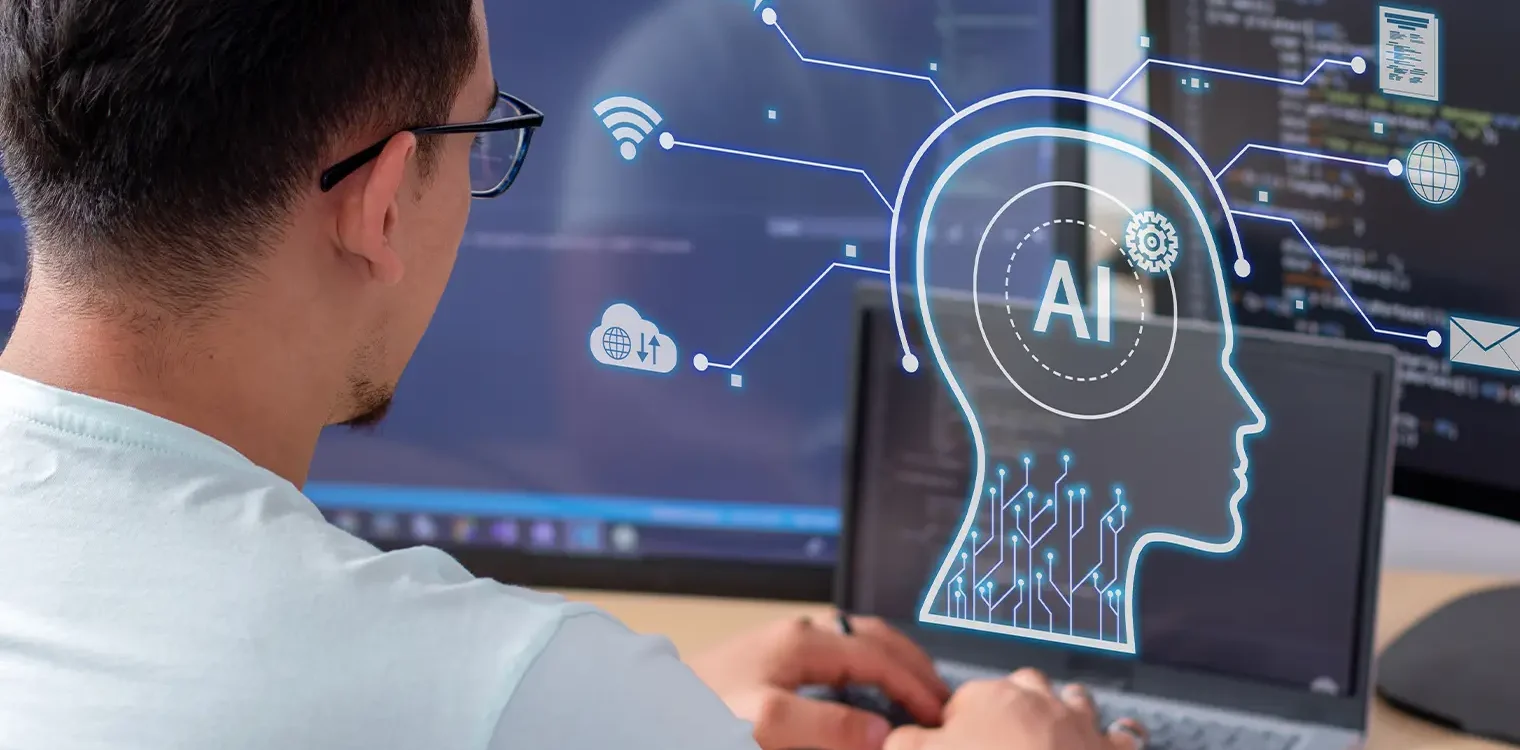
Computer vision capabilities enable custom software to process visual information, automate quality control processes, and extract insights from documents, images, and video streams that previously required manual intervention. Operational automation, which can significantly reduce labor costs while also enhancing accuracy and consistency, presents itself as a result of these capabilities.
Bespoke vs. Custom Software: Is There a Difference?
Even though the terms “bespoke” and “custom software” are frequently used interchangeably, they reflect significant distinctions in the development approach, scope, and strategic intent that executives must comprehend when making decisions regarding technology investment. Traditionally, bespoke software refers to a one-of-a-kind solution created from scratch to meet specific organizational requirements without considering broader applicability or reusability.
A more strategic approach is custom software, which combines distinctive business requirements with established development frameworks, reusable components, and industry best practices. Using established technologies that speed up time-to-market, reduce development risk, and provide ongoing support ecosystems, this strategy enables businesses to achieve differentiated functionality.
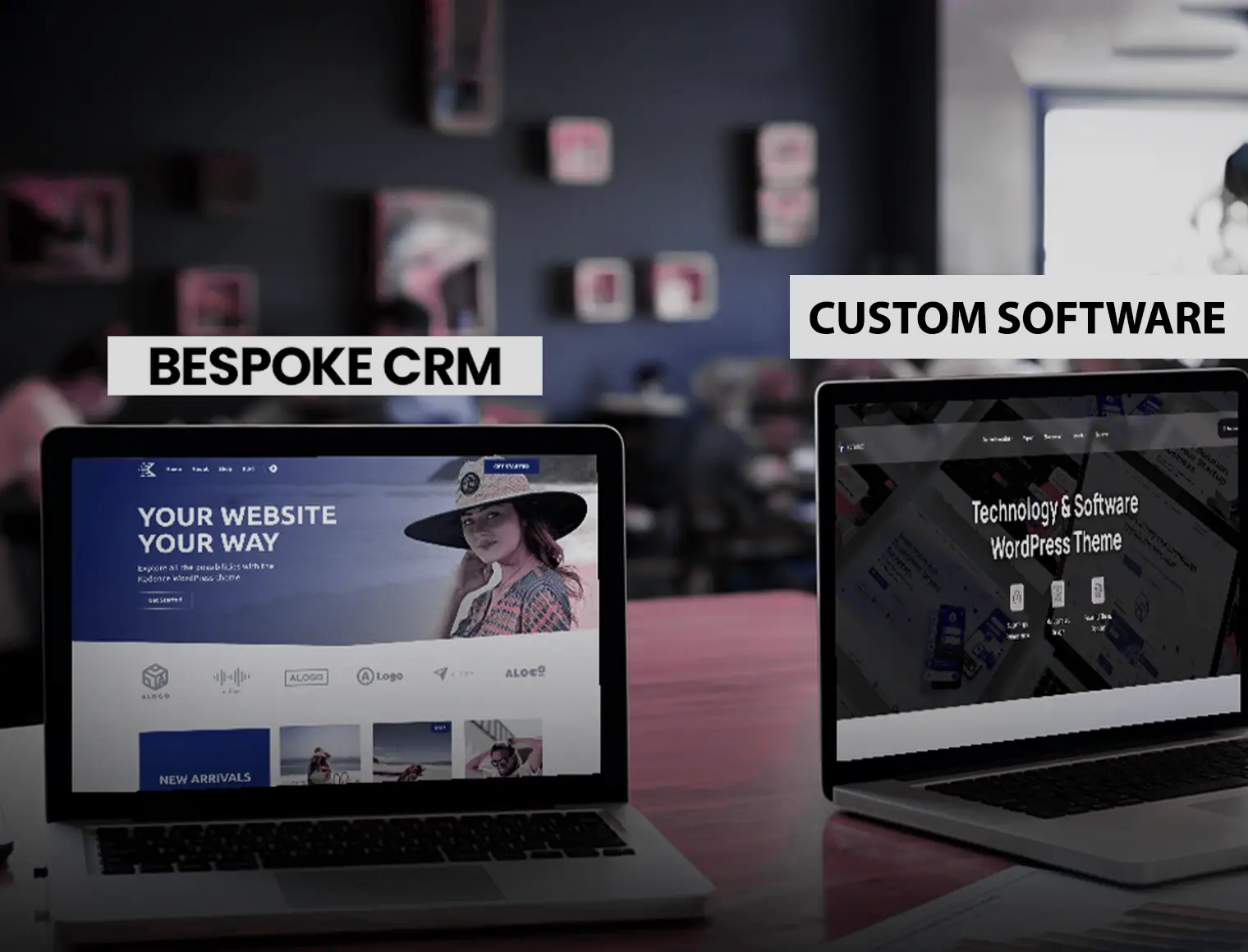
By enabling software that adapts and personalizes itself based on usage patterns and business context, the Al revolution has blurred these distinctions. Through intelligent configuration and machine learning personalization, Al-enhanced custom software can provide experiences comparable to bespoke ones while maintaining the stability and scalability advantages of framework-based development methods.
Because it combines the scalability and maintainability of platform-based approaches with the specificity of bespoke solutions, custom software with Al capabilities offers superior value propositions from a strategic investment perspective. Through Al-driven customization, businesses can gain unique competitive advantages without incurring the higher costs and risks typically associated with completely bespoke development.
When choosing between approaches, long-term strategic goals, technical capabilities of the organization, and requirements for market positioning should all be taken into consideration. Businesses seeking rapid competitive differentiation may benefit from AI-enhanced custom solutions that provide immediate functionality with built-in learning capabilities that improve over time.
Key Challenges in Bespoke Software Implementation
When considering technology investments, executives must carefully consider the strategic disadvantages of traditional bespoke software development, particularly in rapidly changing market conditions where adaptability and agility are critical success factors.
When compared to custom software approaches that make use of existing frameworks and established architectural patterns, the primary disadvantage is that custom software approaches have significantly longer timelines and much higher development costs. Bespoke development necessitates the construction of each component from the ground up, necessitating significant resource requirements that may not produce the same level of business value as more strategic alternatives.
Maintenance complexity represents another critical disadvantage where bespoke software requires specialized knowledge and ongoing developer availability that can create operational dependencies and increased total cost of ownership. Maintaining bespoke systems becomes more difficult and costly as original development teams change or technology stacks change.
Custom security implementations may lack the testing and validation that established security frameworks provide, making them more vulnerable to security flaws. These concerns are addressed by the best custom software development companies by combining custom functionality with tried-and-true security frameworks that provide enterprise-level protection without compromising specific business needs.
Custom software frequently suffers from limitations in scalability because the initial architecture choices may not be able to accommodate future growth requirements or technological advancement. Unlike custom software built on scalable frameworks, bespoke solutions frequently require significant re-engineering to support increased user loads or enhanced functionality.
As bespoke software must interface with ever-changing technology ecosystems, third-party services, and acquisition targets, integration challenges grow over time. The proprietary nature of bespoke systems can create integration bottlenecks that constrain business agility and strategic options.
Because there isn’t enough community support or shared knowledge bases, it is up to the organizations to figure out how to solve problems, make things better, and make them better. This isolation can slow innovation cycles and increase development costs compared to custom solutions that benefit from broader developer communities and proven best practices.
The Dual Impact of Al on Development Velocity and Code Integrity
The custom software development process itself is being transformed by artificial intelligence, which enables shorter delivery times, improved code quality, and enhanced testing capabilities that speed up time-to-market for business-critical applications and reduce project risks.
With Al-powered development tools, developers can focus on high-value architecture and business logic implementation while spending less time on routine coding tasks thanks to automated code generation. These tools can generate boilerplate code, optimize database queries, and suggest implementation approaches based on proven patterns and performance benchmarks.
Before they affect production environments, intelligent testing capabilities use Al to identify potential bugs, security flaws, and performance bottlenecks. Machine learning algorithms can simulate user behavior patterns, stress test system components, and validate functionality across diverse usage scenarios more comprehensively than traditional testing approaches.
Using project complexity analysis, predictive analytics integration during development enables teams to anticipate potential issues, accurately estimate completion times, and optimize resource allocation. These capabilities make project management more efficient and lessen the amount of uncertainty that often plagues software development projects.
Code quality optimization through Al analysis helps development teams identify improvement opportunities, enforce coding standards, and maintain technical debt at manageable levels throughout the development lifecycle. Long-term maintenance costs are reduced and system performance and reliability are enhanced by this proactive approach to code quality management.

Driving Competitive Advantage with AI-Powered Intelligence
The integration of Al capabilities into custom software creates opportunities for strategic business intelligence that extends far beyond traditional reporting and analytics capabilities. Predictive insights, strategic recommendations, and automated complex decision-making processes that previously required extensive human analysis can all be built into systems by organizations.
Businesses are able to anticipate needs, personalize experiences, and optimize product offerings based on individual and segment-level preferences by using machine learning analysis to predict customer behavior. Through increased lifetime value metrics and improved customer satisfaction, this capability provides competitive advantages.
Businesses are able to anticipate needs, personalize experiences, and optimize product offerings based on individual and segment-level preferences by using machine learning analysis to predict customer behavior. Through increased lifetime value metrics and improved customer satisfaction, this capability provides competitive advantages.
Utilizing Al-powered data processing, market trend analysis enables businesses to anticipate emerging opportunities, threats to their competitive position, and strategic positioning requirements before they become apparent. Strategic investment and planning decisions based on this early insight capability can result in long-term competitive advantages.
Through Al analysis, supply chain intelligence can optimize inventory levels, anticipate fluctuations in demand, and identify potential disruptions before they affect operations. These capabilities become increasingly valuable as businesses operate in complex global markets with multiple variables affecting supply chain performance.
The Roadmap to Success: Integrating Implementation and Oversight
Implementing AI into custom software successfully necessitates strategic planning that strikes a balance between innovation goals, operational stability, and risk management requirements. In order to ensure that Al capabilities enhance rather than impede business operations, governance frameworks, algorithmic transparency, and data quality must be taken into consideration.
Organizations must ensure access to high-quality, representative datasets that enable accurate machine learning model training as part of their data strategy for successful Al integration. In addition to creating operational risks that outweigh any potential benefits, bad data quality has the potential to hinder Al effectiveness.
When Al-enhanced custom software is implemented, change management becomes even more important because these systems may alter established workflows, decision-making procedures, and job responsibilities. Comprehensive training programs and communication strategies that help stakeholders comprehend and embrace Al capabilities are necessary for successful implementations.
As Al systems make decisions that affect customers, employees, and business outcomes, ethical considerations and the prevention of algorithmic bias require ongoing attention. Governance frameworks that maintain operational efficacy while ensuring that Al capabilities conform to corporate values and regulatory requirements must be established.
Conclusion
Organizations have a strategic opportunity to build intelligent systems that provide sustainable competitive advantages while continuously improving through machine learning capabilities by incorporating artificial intelligence into custom software development. Success necessitates treating Al as a fundamental capability that transforms the way software creates business value rather than as a technological add-on.
The distinction between traditional bespoke and modern custom software approaches becomes increasingly important as Al capabilities enable personalized experiences without the costs and risks associated with completely unique development approaches. Organizations that embrace Al-enhanced custom software position themselves for sustained competitive advantage in increasingly digital markets.
HIT Tech delivers intelligent solutions that evolve with business requirements while providing the scalability, security, and performance characteristics that modern businesses require for long-term success by combining deep Al expertise with proven custom software development capabilities.